

Online Arabic learning programs offer a dynamic and flexible way for children to acquire the language while keeping them fully engaged. Combining expert instruction with interactive tools, these programs transform Arabic learning into an enjoyable adventure that adapts to each child’s pace and interests. From games and multimedia storytelling to personalized guidance from certified Ijaza instructors, young learners benefit from a curriculum designed to strengthen vocabulary, pronunciation, and comprehension, all within a schedule that fits busy family routines. Beyond language skills, these programs cultivate cognitive development, cultural awareness, and confidence, making them an ideal solution for families seeking quality Arabic education in today’s digital age.
Why Online Arabic Learning Programs Are Perfect for Young Learners
Have you ever wondered how to make Arabic learning both engaging and effective for your child? Online Arabic programs combine flexibility with expert instruction, making language acquisition natural and enjoyable for young minds. According to recent Global Market Insights data, the online language learning market grew by 22% in 2024, with Arabic courses showing particularly strong demand among families seeking quality education.
These digital platforms offer personalized attention from certified teachers while accommodating busy family schedules. Children can find the perfect Arabic courses for children online that match their learning pace and interests, creating an immersive environment that traditional classrooms often struggle to provide.
Key Benefits of Interactive Arabic Classes for Children
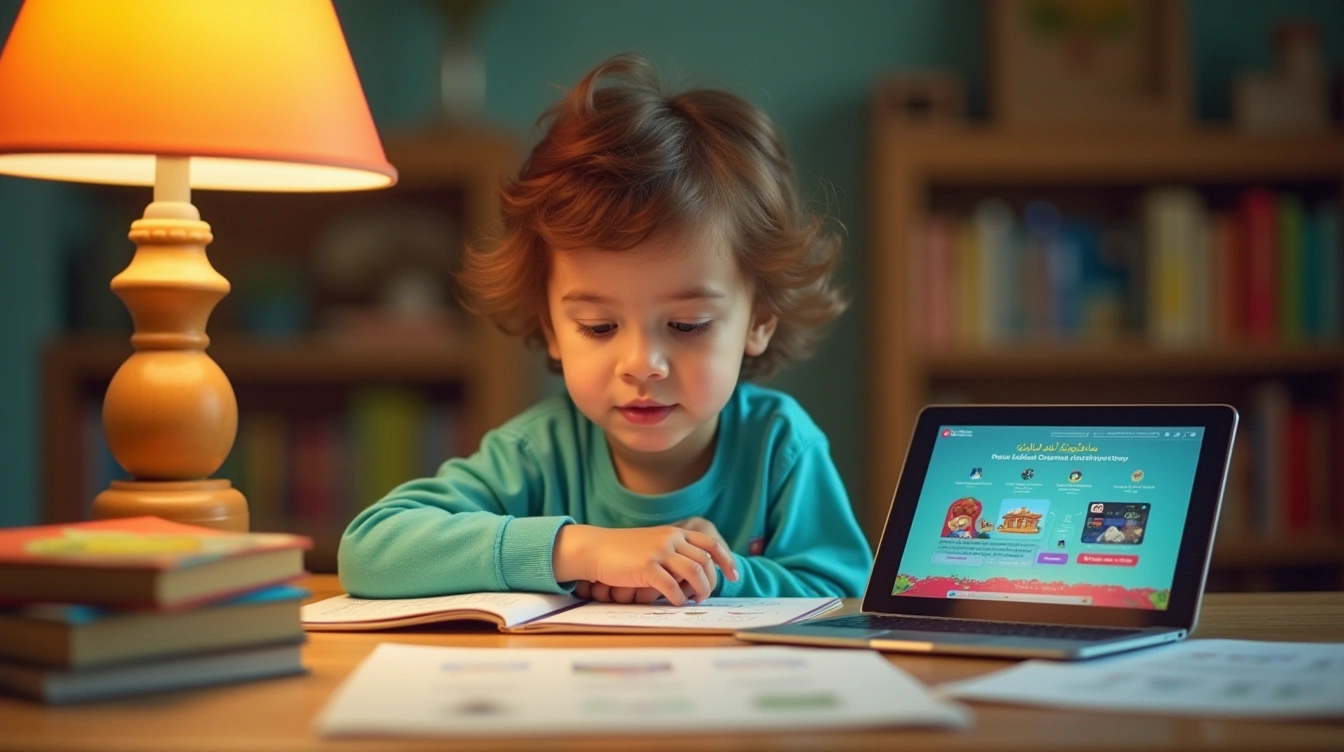
Interactive Arabic classes transform language learning into an engaging adventure for children. Unlike traditional methods, these modern approaches tap into young minds' natural curiosity and adaptability. Children absorb Arabic more effectively when lessons incorporate games, visual aids, and interactive exercises that maintain their attention throughout the session.
The cognitive benefits extend far beyond language acquisition. Learning Arabic strengthens memory, enhances problem-solving skills, and develops analytical thinking. Children who study Arabic often show improved performance in mathematics and reading comprehension, as the language's complex structure exercises different areas of the brain simultaneously.
Cultural immersion through interactive classes opens doors to understanding Arab heritage, traditions, and values. Children gain appreciation for diversity while building bridges between different communities. This cultural awareness becomes increasingly valuable in our interconnected world, preparing young learners for global citizenship.
Professional instructors with Ijaza certification ensure quality education tailored to each child's learning pace. The flexibility of online platforms allows families to schedule lessons around busy routines, while personalized attention helps children overcome specific challenges and celebrate their unique progress milestones.
What Makes Quality Arabic Instruction Programs Effective
Choosing the right Arabic program for your child requires understanding what separates exceptional instruction from basic lessons. Quality programs share specific characteristics that ensure meaningful learning outcomes and sustained progress.
The foundation of any effective Arabic instruction lies in the expertise of its teachers and the methodology they employ. These elements work together to create an environment where children can thrive academically and develop genuine appreciation for the Arabic language.
- Certified instructors with Ijaza - Teachers holding this traditional certification demonstrate mastery of Quranic recitation and Arabic linguistics, ensuring authentic pronunciation and proper teaching methods
- Age-appropriate pedagogy - Programs adapted to children's learning patterns use interactive games, storytelling, and visual aids rather than adult-oriented academic approaches
- Personalized progress tracking - Individual assessment and customized lesson plans address each child's unique learning pace and areas needing reinforcement
- Interactive learning materials - Modern digital tools, multimedia content, and engaging activities maintain children's attention and make complex concepts accessible
- Structured curriculum progression - Clear learning pathways from basic alphabet recognition to advanced reading skills provide measurable milestones and build confidence
These criteria ensure that children receive comprehensive instruction that respects both traditional Arabic teaching methods and contemporary educational best practices.
How Technology Enhances Children's Arabic Language Development
Modern technology has revolutionized how children learn Arabic, transforming what was once a traditional classroom experience into an interactive adventure. Digital platforms now offer immersive environments where young learners can engage with the language through games, colorful animations, and interactive exercises that make learning feel like play rather than work.
One of the most significant advantages of technological tools is their ability to adapt to each child's unique learning pace. Personalized algorithms track progress in real-time, adjusting difficulty levels and presenting content in ways that match individual learning styles. Visual learners benefit from animated Arabic letters and words, while auditory learners thrive with native pronunciation features and musical mnemonics.
Gamification elements keep children motivated throughout their Arabic journey. Point systems, achievement badges, and progress tracking create a sense of accomplishment that encourages consistent practice. These platforms also incorporate multimedia storytelling, where children hear Arabic tales while following along with visual cues, naturally building their vocabulary and comprehension skills.
The integration of audio technology ensures proper pronunciation from the start, with voice recognition software providing immediate feedback on children's speaking attempts, creating confidence in their Arabic communication abilities.
Choosing Between Private Tutoring and Group Classes
When it comes to Arabic education for children, both private tutoring and group classes offer distinct advantages that can significantly impact your child's learning journey. The key lies in understanding which approach aligns best with your child's personality and learning style.
Private tutoring provides unparalleled personalized attention, allowing instructors to adapt their pace and teaching methods specifically to your child's needs. This one-on-one approach proves particularly beneficial for shy children or those who need extra time to grasp certain concepts. The tutor can instantly identify learning gaps and adjust lessons accordingly, ensuring no child falls behind.
Group classes, on the other hand, foster valuable social interaction and create a dynamic learning environment where children motivate each other. The collaborative atmosphere encourages healthy competition and peer learning, which can be especially effective for outgoing children who thrive on social energy and group activities.
Consider your child's temperament when making this decision. Does your child learn better with focused, individual guidance, or do they flourish in interactive group settings? Both approaches can be equally effective when matched correctly to your child's learning preferences and personality traits.
Creating the Optimal Learning Schedule for Young Arabic Students
The frequency and duration of Arabic lessons play a crucial role in your child's language acquisition success. For children aged 4-7, short sessions of 30 minutes twice weekly prove most effective, allowing young minds to absorb new concepts without overwhelming them. As children mature between 8-12 years, extending sessions to 45 minutes maintains engagement while deepening their understanding of Arabic fundamentals.
Consistency trumps intensity when building Arabic proficiency in young learners. Regular weekly sessions create natural learning rhythms that children anticipate and embrace. However, flexibility remains equally important—online programs excel at adapting to your family's schedule while maintaining educational continuity. When children feel rushed or pressured, their natural enthusiasm for learning diminishes significantly.
Professional instructors with Ijaza certification understand how to balance structured learning with playful engagement. They recognize when a child needs extra time with pronunciation or when to introduce more challenging Quranic verses. This personalized approach prevents academic burnout while nurturing genuine love for the Arabic language and Islamic teachings in your child's educational journey.
Questions Frequently Asked by Parents
What age is best to start Arabic lessons for my child?
Children can start learning Arabic as early as 4-5 years old. At this age, their brains are highly receptive to new languages, making pronunciation and vocabulary acquisition more natural and effective.
How much do online Arabic classes for kids typically cost?
Online Arabic classes range from $15-40 per hour depending on the teacher's qualifications and lesson format. Group classes are generally more affordable than individual tutoring sessions.
Are private Arabic tutors better than group classes for children?
Private tutors offer personalized attention and flexible pacing, ideal for shy children or specific learning needs. Group classes provide social interaction and competitive motivation for outgoing learners.
How many times per week should my child take Arabic lessons?
For optimal progress, 2-3 lessons per week work best. This frequency maintains momentum while allowing time for practice and retention between sessions without overwhelming young learners.
What teaching methods work best for children learning Arabic?
Interactive methods like games, songs, and stories engage children effectively. Visual aids, repetition, and immersive conversation practice help maintain attention while building solid language foundations naturally.